
Truth's River: How to Listen to Your Inner Truth
Truth’s River
On listening to your inner truth and allowing it to unfold over time
There is something within each of us that is always trying to find its way into expression.
Not all at once, and not always clearly. Some parts of ourselves arrive with a strong voice and an unmistakable sense of knowing, while others reveal themselves slowly. They begin as a feeling we cannot quite name, a thought that keeps returning, a subtle sense that something inside of us is shifting.
Throughout our timeline, we go through multiple iterations and incarnations, during which we might be trying to find, realize, or free something inside of ourselves that badly needs a voice.
There are parts of us that have not yet been fully spoken—not because they are absent, but because they are still forming. Sometimes we are living our way toward the language we will eventually use to understand them.
The Unfolding of Truth
Truth does not always arrive fully formed.
We may first encounter it in fragments: a feeling that catches our attention, an idea that lingers at the edges of consciousness, a growing discomfort with something that once seemed right, or a quiet longing for something we cannot yet envision.
Some truths take a while to divine, and their completion can only be answered by living and finding our words through our process of life.
This can be uncomfortable because we naturally seek clarity and resolution. We want to know what something means, what we should do about it, and where it is taking us.
But truth sometimes asks something different of us. It asks for patience, presence, and participation. It asks us to stay curious about what is emerging without requiring ourselves to understand it before it has had enough time to become known.
The Rhythm of Inner Knowing
There are times when truth arrives softly.
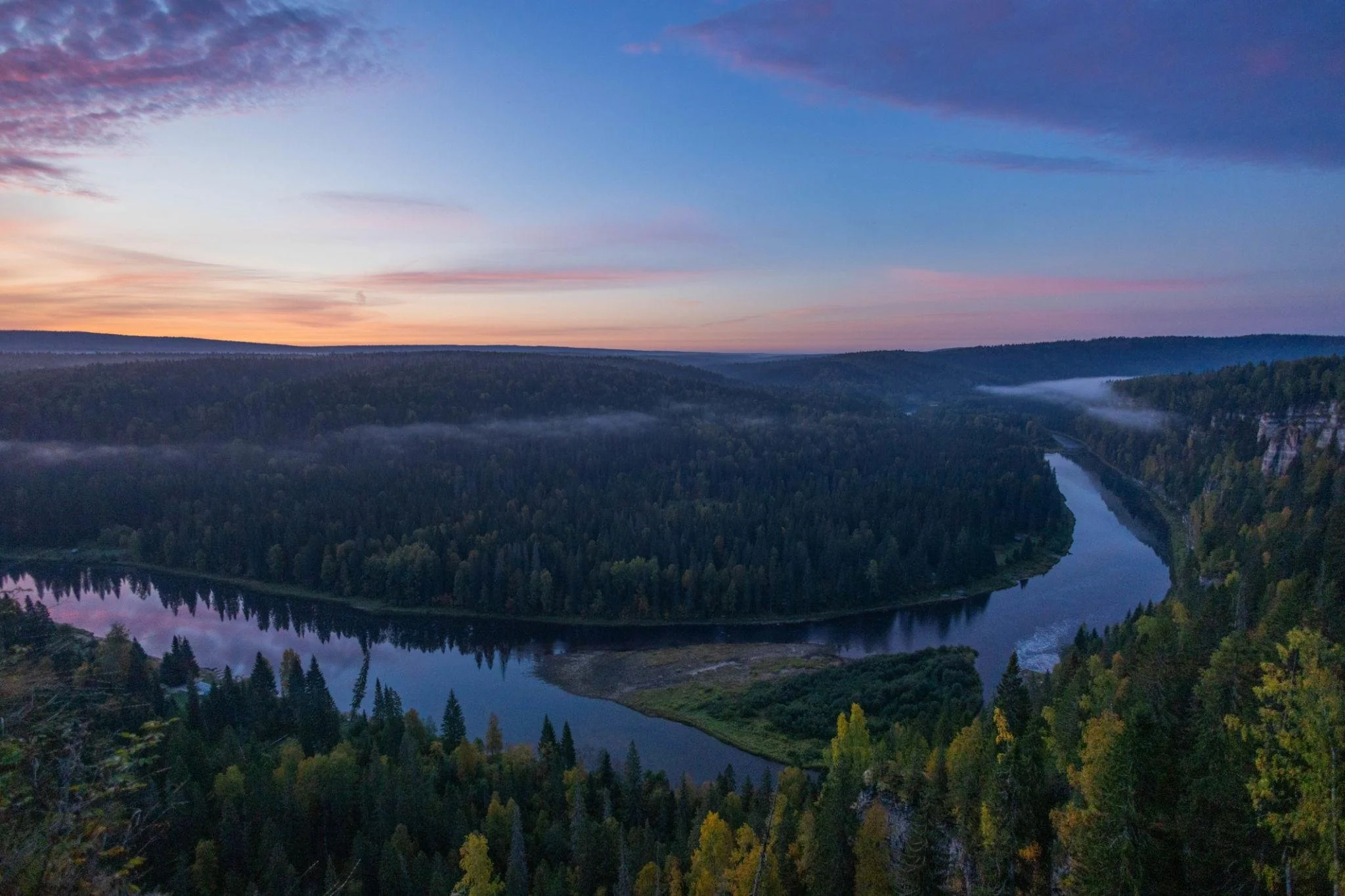
Sometimes, truth unfolds slowly and peacefully through a gentle meander—a lazy river floating on an honest Sunday afternoon, where something resonates within us, and we feel a deep sense of rightness.
And there are other times when it comes rushing in.
Sometimes, truth hits swiftly, like a giant raging swell, carrying us in its flows.
One experience is not more valid than the other. Inner knowing has its own rhythm.
There are truths we recognize gradually, perhaps looking backward and realizing we have known something for much longer than we understood. And there are truths that seem to rearrange the landscape almost immediately, asking us to see ourselves, a relationship, a dream, or the direction of our lives differently.
Part of knowing ourselves is learning to recognize both.
Learning to Be With Your Inner River
Our work is not to force the river. It is to develop a relationship with it.
Our task is to learn how to listen to ourselves and engage with our inner river and learn when to sit and observe, when to begin to dip our toes, when to dive clean in, and when to let the river carry us and move us to action.
Sometimes listening is enough. Sometimes we need to remain beside something for a while, allowing ourselves to notice what continues to surface. And sometimes a truth has become clear enough that continuing to stand on the riverbank is its own kind of answer.
Discernment grows through this relationship. The more familiar we become with our inner landscape, the more capable we become of noticing our patterns, questioning old stories, recognizing what feels deeply congruent, and allowing our understanding of ourselves to change.
Becoming Through Truth
Each honest encounter with ourselves contributes something to who we are becoming.
Each time we collect a new aspect of truth—each small act of self-scraping, heart-baring, soul-exposing, and scrutiny—we help contribute to our greater truth, reveal another shade of self, and find a new key to unlock a door within.
Perhaps this is one reason becoming ourselves is never really finished.
We continue to have experiences. We change. We heal. We encounter new relationships and losses, new dreams and disappointments, new seasons that reveal aspects of ourselves we could not have known in earlier ones.
Authenticity, then, does not require finding one definitive version of ourselves and remaining there. It can mean developing enough relationship with ourselves that we are willing to keep listening as our truth evolves.
A Gentle Reminder
You do not need to have the full picture.
You do not need to understand every feeling immediately, make meaning from every experience, or turn each emerging truth into a decision.
Fragments of truth add up to a greater truth, so it’s important we stay patient with the process and give ourselves permission to let truth flow into our consciousness over time, deepening our awareness of its whole.
Some things become clear through reflection. Others become clear through living.
There is wisdom in knowing the difference.
Closing Reflection
The more we invest in listening to ourselves, the more intimately we come to know the particular language of our own lives.
Our world becomes a little more authentic, our presence clearer, and our ability to live from a place of integrity and heart coherence continually shaped and aligned by our river of truth.
Perhaps we don't need to chase truth quite as relentlessly as we sometimes believe.
We can listen for it. We can notice where it keeps returning. We can allow ourselves to be changed by what we learn, while giving the unfinished parts of our story room to continue unfolding.
There is a river of truth within each of us. Sometimes it whispers. Sometimes it rises.
And sometimes our work is simply to stay close enough to hear it.
For Further Exploration…
This reflection is adapted from my book Small Pearls Big Wisdom, a collection of writings on growth, becoming, and the quiet truths we uncover within ourselves.
If this reflection spoke to something in you, you can explore more of these writings in Small Pearls Big Wisdom.
This post is part of a three-part series on truth, identity, and becoming.
To continue exploring:
Part I — Truth’s River
On listening to your inner truth and allowing it to unfold over time.
Part II — Becoming Yourself
On what happens when inner truth begins asking for self-trust, permission, and choice.
Part III — Fields Unseen
A companion practice for taking small steps toward what you are becoming, even when you cannot yet see the entire path.
Each piece offers a different place to enter the process: listening for what is true, learning to trust what you discover, and experimenting with what it means to live from that knowing.
